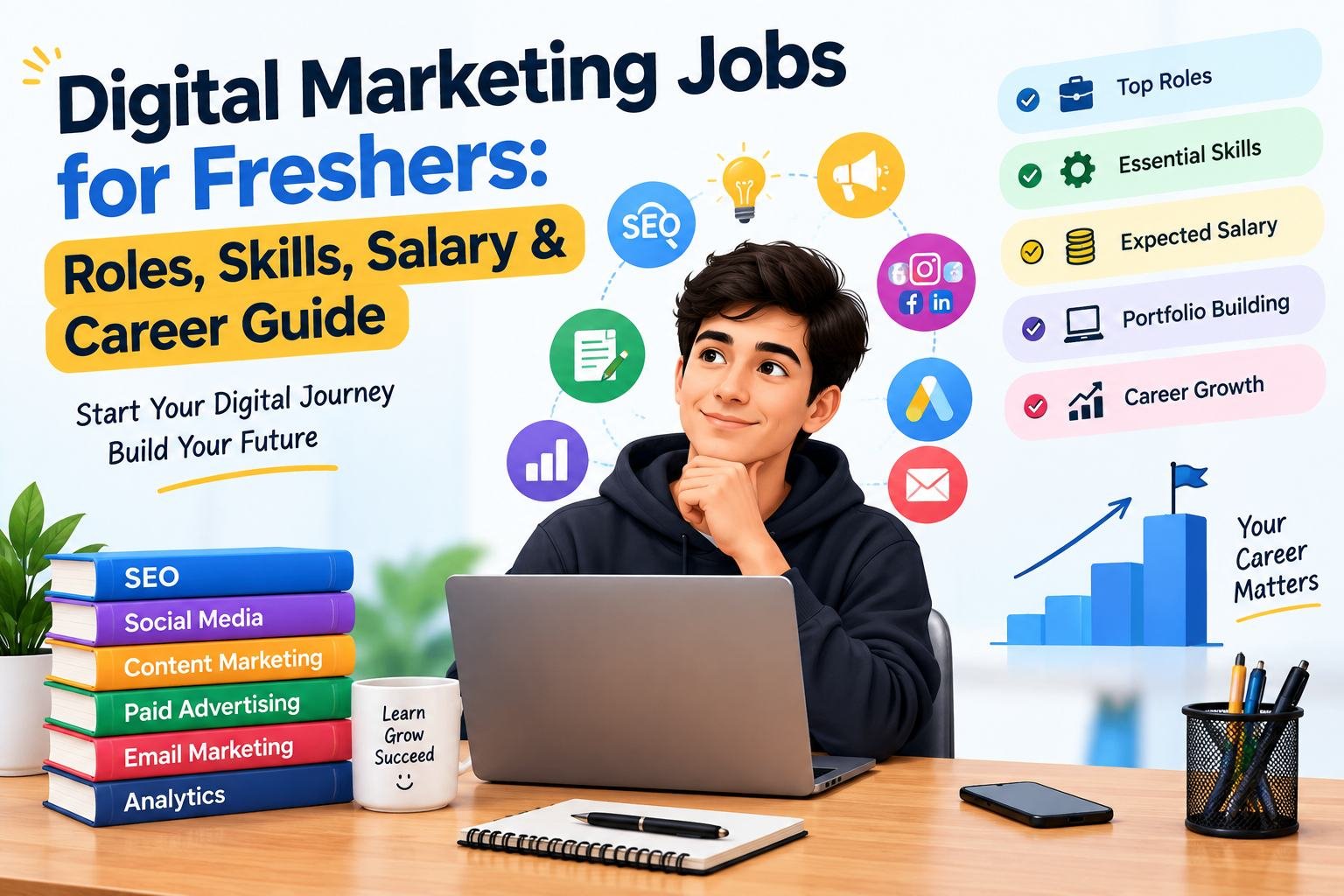
Introduction
The digital world is changing how businesses communicate with customers, promote products, and build their brands. Companies now use websites, search engines, social media, email campaigns, and online advertising to reach potential customers. This growing dependence on digital channels has created new career opportunities for students, graduates, freelancers, and job seekers.
Digital Marketing Jobs are an attractive career option for beginners because they offer different specializations, including search engine optimization (SEO), content writing, social media marketing, email marketing, and performance advertising. You do not always need a technical degree to enter this field, but you do need practical skills, industry knowledge, and a willingness to learn.
In 2026, artificial intelligence (AI), data analytics, and changing consumer behaviour are also influencing the way marketing teams work. Understanding these changes can help beginners prepare for Digital Marketing Jobs and choose a suitable career direction.
Whether you are a student, a recent graduate, or someone planning a career change, this guide explains the best job opportunities, essential skills, salary expectations, common challenges, and practical steps to start your career.

Why Are Digital Marketing Jobs in Demand in 2026?
Businesses increasingly depend on online platforms to reach their audiences. Small businesses need visibility, established brands want to strengthen customer relationships, and online stores need effective strategies to attract buyers.
This creates opportunities for professionals who can connect marketing activities with business goals. Digital Marketing Jobs can involve creativity, communication, research, technology, or data analysis.
Several factors contribute to the growing importance of this field:
- Online business growth: Companies need professionals who can promote their products and services online.
- Social media marketing: Brands require engaging content and consistent audience communication.
- Search engine optimization: Businesses want customers to discover their websites through relevant searches.
- Online advertising: Companies need people who can manage advertising campaigns and measure results.
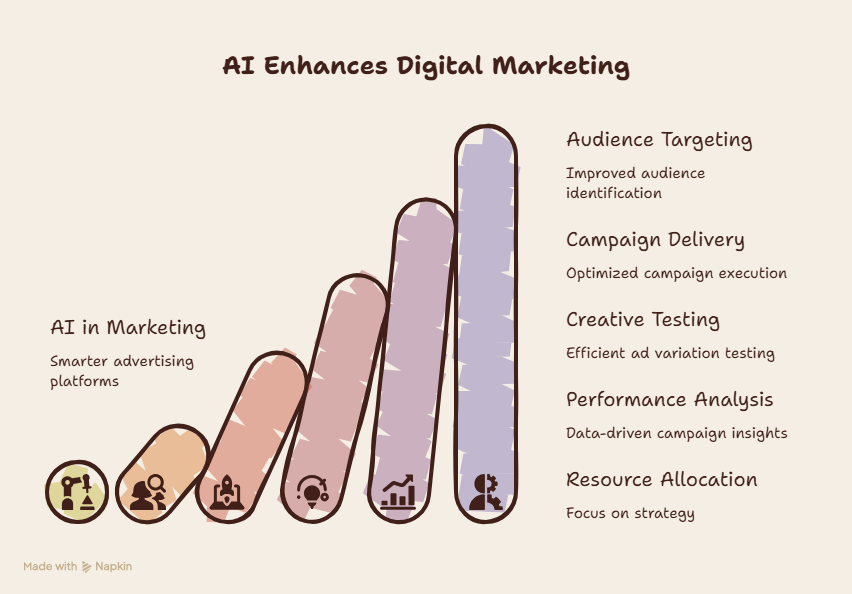
- AI-assisted marketing: Teams are exploring AI for research, planning, content assistance, and reporting.
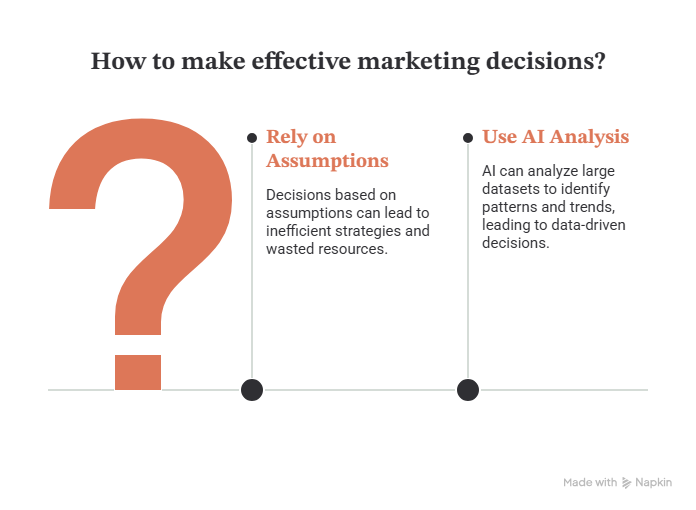
- Performance measurement: Businesses want to understand website traffic, leads, conversions, and advertising costs.
These trends create different opportunities, but demand does not guarantee employment. Candidates who combine knowledge with practical experience are better prepared to demonstrate their abilities when applying for Digital Marketing Jobs.
7 Best Digital Marketing Jobs for Beginners
Choosing the right role depends on your interests, current abilities, and long-term goals. Some positions require creative thinking, while others involve research, analytics, or campaign management.
Here are seven career options worth exploring.
1. SEO Executive
An SEO executive helps websites improve their visibility in search engine results. The role involves understanding what people search for and improving website content, structure, and accessibility.
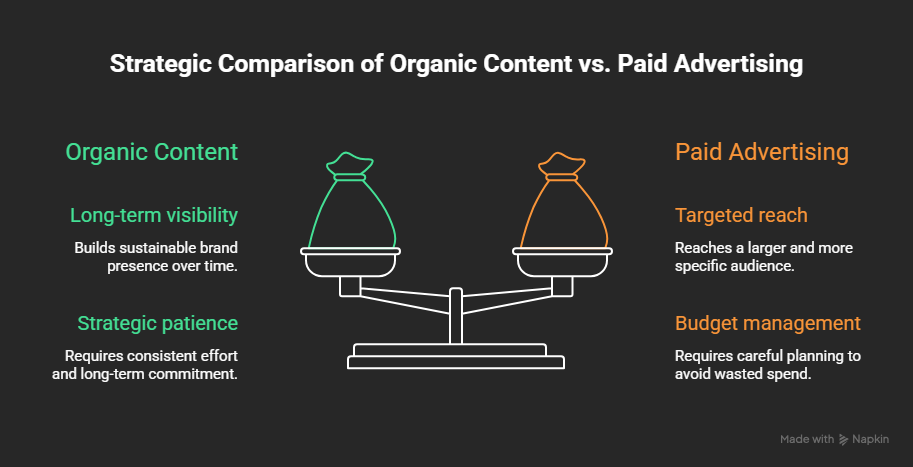
SEO is an important part of online marketing because relevant organic traffic can help businesses connect with people who are already looking for information or solutions.
Key responsibilities:
- Conduct keyword research and understand search intent.
- Optimize page titles, headings, meta descriptions, and content.
- Identify basic technical SEO problems.
- Improve internal linking and website structure.
- Monitor organic traffic and search performance.
- Support content optimization and ethical link-building activities.
Skills to learn: Keyword research, on-page SEO, basic technical SEO, Google Search Console, WordPress, and SEO reporting.
Beginners can practise by optimizing blog posts or building a small website. These projects provide examples of practical work that can support applications for SEO-related Digital Marketing Jobs.
2. Social Media Marketing Executive
Social media marketing executives help businesses build an online presence on platforms such as Instagram, Facebook, LinkedIn, and YouTube.
The role involves more than publishing posts. Professionals plan content, communicate with audiences, review engagement, and identify ways to improve performance.
Key responsibilities:
- Prepare social media content calendars.
- Create captions, graphics, and short-video ideas.
- Schedule posts and maintain consistency.
- Respond to comments and messages.
- Monitor audience engagement.
- Review results and improve future content.
Skills to learn: Canva, copywriting, content planning, audience research, social media analytics, and basic video editing.
If you enjoy creativity and communication, this role may suit you. Create sample campaigns for a fictional business and explain your content strategy. A well-organized portfolio can help you demonstrate your readiness for Digital Marketing Jobs without claiming experience you do not have.
3. Content Writer
Content writers create articles, blog posts, website pages, email copy, and other written material. Businesses use content to explain their products, answer customer questions, build trust, and support marketing campaigns.
AI tools can help with brainstorming and outlines, but effective content still requires research, originality, accuracy, and human judgment.
Key responsibilities:
- Write blogs and website content.
- Research topics and relevant keywords.
- Organize information with clear headings.
- Edit and proofread articles.
- Understand search intent and basic SEO.
- Verify facts and maintain content quality.
Skills to learn: English writing, grammar, storytelling, research, WordPress, SEO fundamentals, and responsible AI-assisted editing.
Content writing may be a useful starting point for people who enjoy explaining ideas. Publishing well-researched articles on a blog or professional platform can also strengthen your portfolio for Digital Marketing Jobs.
4. Google Ads and Performance Marketing Executive
Performance marketing focuses on measurable outcomes such as leads, sales, registrations, and conversions. Professionals plan paid campaigns and evaluate whether advertising budgets are producing useful results.
Key responsibilities:
- Plan campaigns around business objectives.
- Research audiences and advertising keywords.
- Create advertisements and choose targeting options.
- Monitor budgets and campaign performance.
- Track conversions and cost per result.
- Test different advertisements and landing pages.
Skills to learn: Google Ads fundamentals, campaign planning, conversion tracking, analytics, spreadsheets, and advertising policies.
Beginners should practise campaign planning before managing real budgets. Advertising performance depends on targeting, competition, creative quality, landing pages, and other factors, so results cannot be guaranteed.
This specialization may suit people who enjoy experimentation, data, and measurable business outcomes. It can lead to performance-focused Digital Marketing Jobs as experience develops.
5. Email Marketing Executive
Email marketing helps businesses communicate with existing and potential customers through relevant messages. It can support newsletters, product announcements, customer education, and repeat purchases.
Key responsibilities:
- Write subject lines and email copy.
- Create newsletters and campaign sequences.
- Organize audiences into relevant segments.
- Monitor clicks and conversions.
- Improve campaigns using performance data.
- Follow consent, privacy, and unsubscribe requirements.
Skills to learn: Copywriting, audience segmentation, email automation, campaign reporting, and customer journey planning.
Email marketing may suit beginners who enjoy writing and organized communication. Understanding audience needs and measuring campaign performance can help candidates prepare for Digital Marketing Jobs in this specialization.
6. Digital Marketing Analyst
Digital marketing analysts study data to understand how websites and campaigns perform. Their findings help businesses identify opportunities and make informed decisions.
Key responsibilities:
- Monitor website traffic and user behaviour.
- Review campaign performance.
- Measure leads, conversions, and engagement.
- Prepare reports and dashboards.
- Identify trends and performance problems.
- Communicate findings to marketing teams.
Skills to learn: Google Analytics 4, spreadsheets, data visualization, conversion tracking, and analytical thinking.
This career path may suit people who enjoy numbers, research, and problem-solving. Beginners should practise interpreting sample reports and explaining what the data suggests rather than simply presenting statistics.
7. Digital Marketing Executive
A digital marketing executive may work across SEO, social media, content marketing, email marketing, and online advertising.
This role can provide broad experience and help beginners understand how different marketing channels work together.
Typical responsibilities:
- Support marketing campaigns.
- Update website content.
- Assist with social media planning.
- Conduct keyword and competitor research.
- Prepare performance reports.
- Coordinate content and campaign activities.
A generalist role can be a useful starting point for someone who has not yet selected a specialization. Over time, practical experience can help you identify which Digital Marketing Jobs best match your strengths.
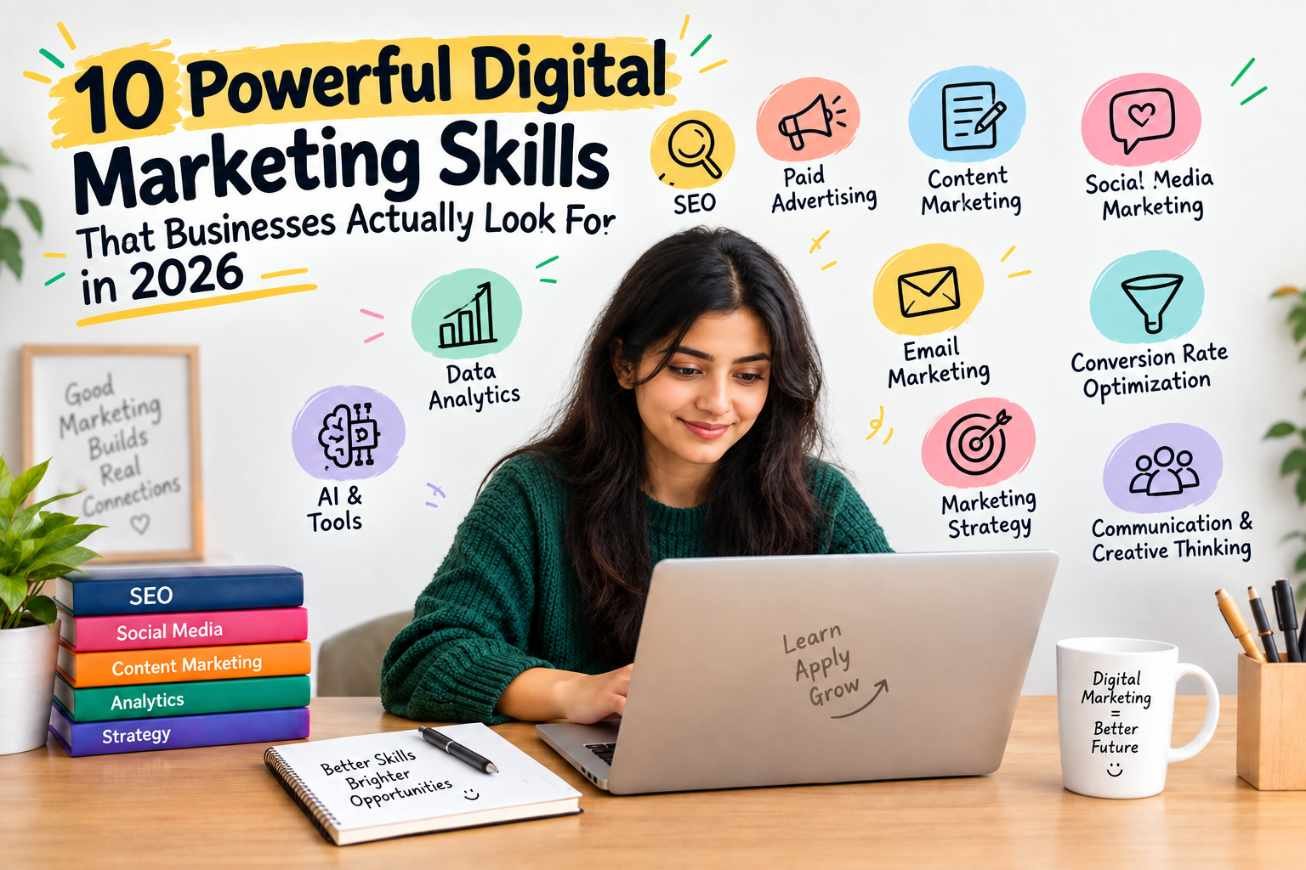
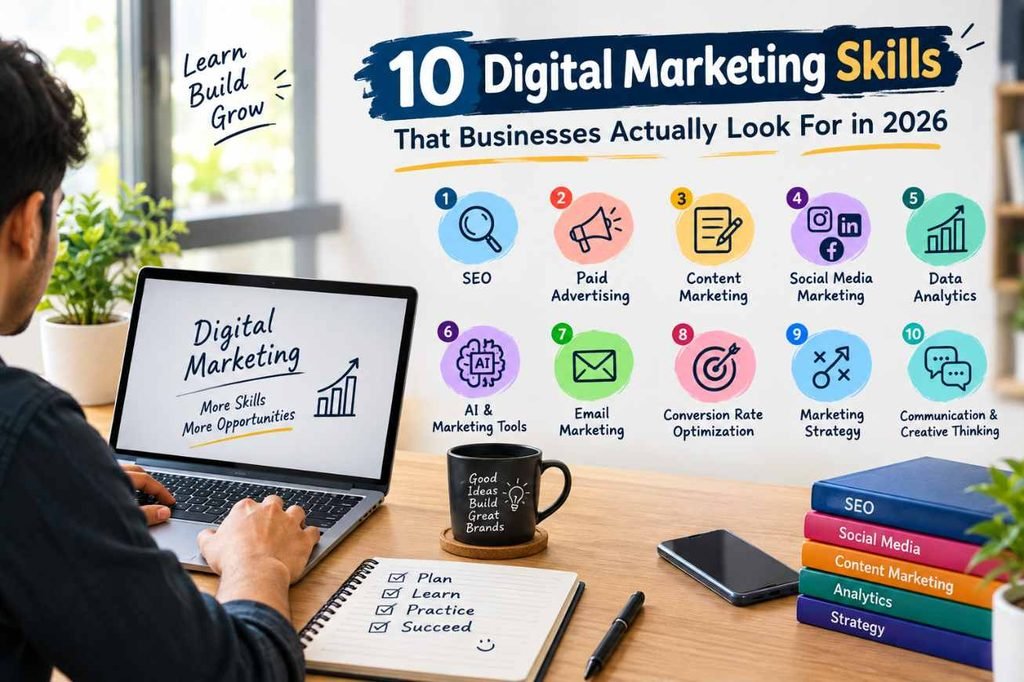
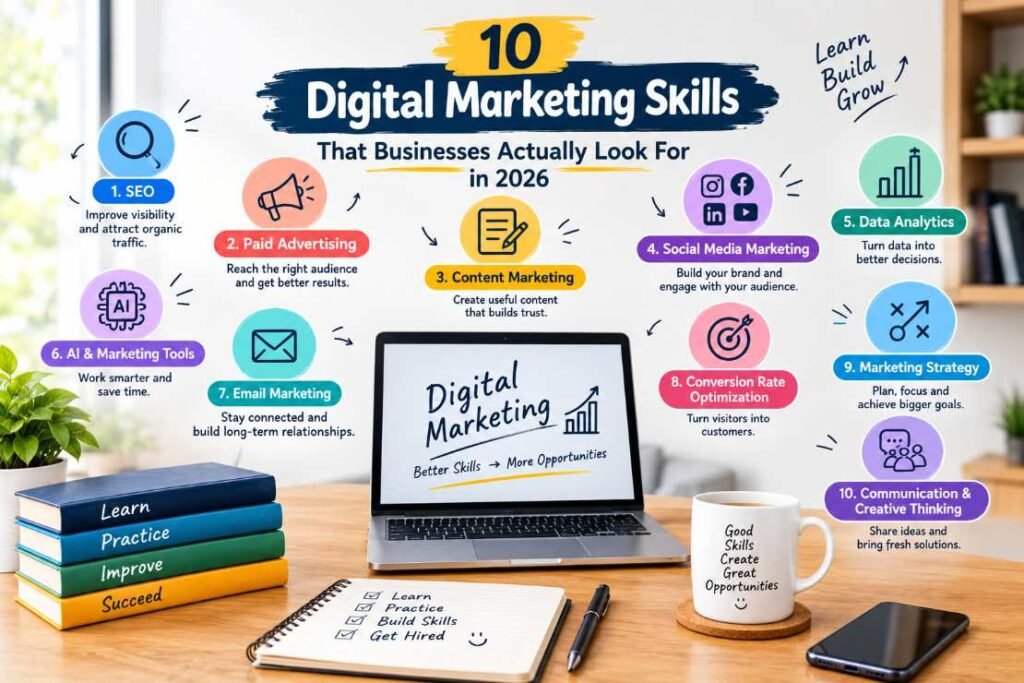
Essential Skills for Digital Marketing Jobs in 2026
Employers generally need more than candidates who know the names of marketing tools. They want people who can apply their knowledge to real business situations.
Focus on these essential skills:
1. Search engine optimization: Learn keyword research, search intent, on-page optimization, internal linking, and basic technical SEO.
2. Content creation: Practise writing blogs, website pages, captions, and email copy. Make your content clear, accurate, and useful.
3. Social media management: Learn content planning, audience engagement, platform selection, and performance measurement.
4. Data analytics: Understand traffic, click-through rates, conversion rates, and cost per lead. Learn how to interpret results.
5. AI tools: Use AI for brainstorming, research assistance, and repetitive tasks, while checking accuracy and originality.
6. Communication: Develop clear writing, teamwork, presentation, and client communication skills.
7. Problem-solving: Learn to identify marketing problems and recommend improvements based on evidence.
You do not need to master everything at once. Choose a primary skill, practise consistently, and expand your knowledge gradually. This approach can make your preparation for Digital Marketing Jobs more focused and manageable.

Common Problems Beginners Face and Their Solutions
Many beginners complete online courses but struggle to find their first opportunity. The following problems are common, and each has a practical solution.
Problem 1: Lack of Practical Experience
Employers may want examples of your work rather than only a list of completed courses.
Solution: Create an SEO-optimized article, a social media content calendar, or a sample advertising campaign. Explain your objectives, process, and findings honestly.
Problem 2: Learning Too Many Tools
Trying to learn every platform at once can prevent you from developing strong fundamentals.
Solution: Select one specialization first. For example, start with SEO and WordPress or social media marketing and Canva. Explore related tools after understanding the basics.
Problem 3: No Professional Portfolio
A resume alone may not show how well you can complete practical tasks.
Solution: Prepare a portfolio containing:
- Two or three original blog articles.
- Sample social media designs.
- A keyword research document.
- A content calendar.
- A sample analytics report.
- Explanations of your strategy and findings.
Label practice projects clearly instead of presenting them as paid client work. This makes your portfolio more credible when applying for Digital Marketing Jobs.
Problem 4: Weak Resume and Interview Preparation
Some applicants describe their skills too generally and struggle to explain what they have learned.
Solution: Customize your resume for each relevant vacancy. Include your projects, tools, certifications, and portfolio links. Practise explaining the problem you addressed and what you learned.
Problem 5: Unrealistic Salary Expectations
Some beginners expect a high salary immediately after completing a course.
Solution: Research current entry-level vacancies and compare their requirements with your abilities. Consider the responsibilities, learning opportunities, working conditions, and salary before accepting an offer.
How to Get Digital Marketing Jobs in 2026: A Step-by-Step Roadmap
A clear learning plan can make your preparation more effective.
Step 1: Learn the Fundamentals
Understand SEO, content marketing, social media marketing, email marketing, paid advertising, and analytics. Use reliable learning resources and practise what you learn.
Step 2: Choose a Specialization
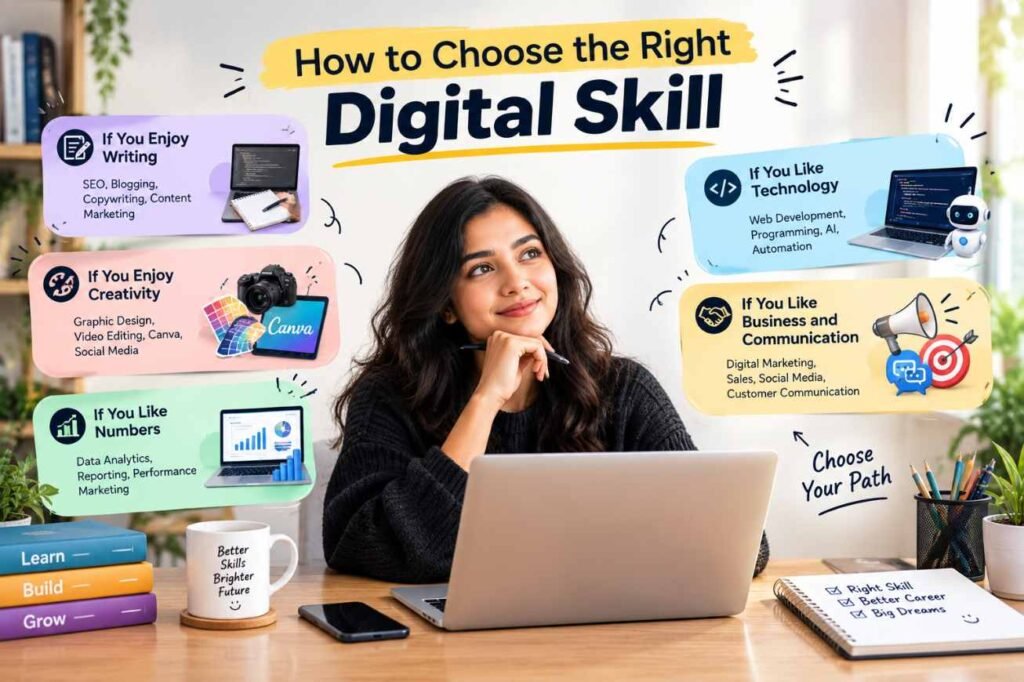
Select a role that matches your interests.
- Enjoy writing? Explore SEO or content marketing.
- Like creativity? Consider social media marketing.
- Enjoy numbers? Explore analytics or performance marketing.
- Prefer variety? Start with a general digital marketing role.
You can change your specialization as you gain experience.
Step 3: Practise With Projects
Create a blog, design a social media campaign, or develop a sample marketing plan for a fictional business.
Document your goals, process, tools, and findings. Report measurable results only when you have actually measured them.
Step 4: Learn Relevant Tools
Depending on your chosen role, practise Google Search Console, Google Analytics 4, WordPress, Canva, Google Ads, and relevant AI applications.
Understand how these tools support marketing decisions instead of simply listing them on your resume.
Step 5: Build a Portfolio
Organize your best work in a simple website, document, or portfolio page. For every project, explain the problem, your approach, the tools used, and the outcome.
Step 6: Prepare Your Resume and LinkedIn Profile
Keep your resume clear and relevant. Highlight your practical skills, education, projects, and certifications.
Use LinkedIn to share useful insights, connect with professionals, and discover opportunities. Be honest about your experience.
Step 7: Apply for Entry-Level Positions
Search for SEO trainee, digital marketing intern, social media executive, content writer, and junior digital marketing executive positions.
Check job portals, company career pages, and professional networks. Customize applications and prepare to discuss your projects during interviews.
Step 8: Keep Improving
Marketing platforms and customer behaviour continue to change. Review your work, learn from feedback, and update your skills.
Following these steps can help you become better prepared to apply for suitable Digital Marketing Jobs rather than relying on certificates alone.

Digital Marketing Jobs Salary in India in 2026
Salary depends on location, employer, experience, specialization, and job responsibilities. There is no single salary that applies to every role.
The following figures are illustrative estimates, not verified 2026 market averages.
| Experience level | Illustrative annual salary |
|---|---|
| Fresher or entry-level | ₹1.8–3.6 lakh |
| 1–3 years of experience | ₹3–6 lakh |
| Experienced specialist | ₹6–12 lakh or more |
Actual offers may fall below or above these ranges. Specialized professionals with strong analytical, technical, or campaign-management skills may have different earning opportunities.
Before applying, compare recent vacancies in your target city and review the responsibilities and salary information available for each position.
For beginners, the first role can provide valuable experience. As your skills improve and you demonstrate results, you can explore more specialized Digital Marketing Jobs and greater responsibilities.
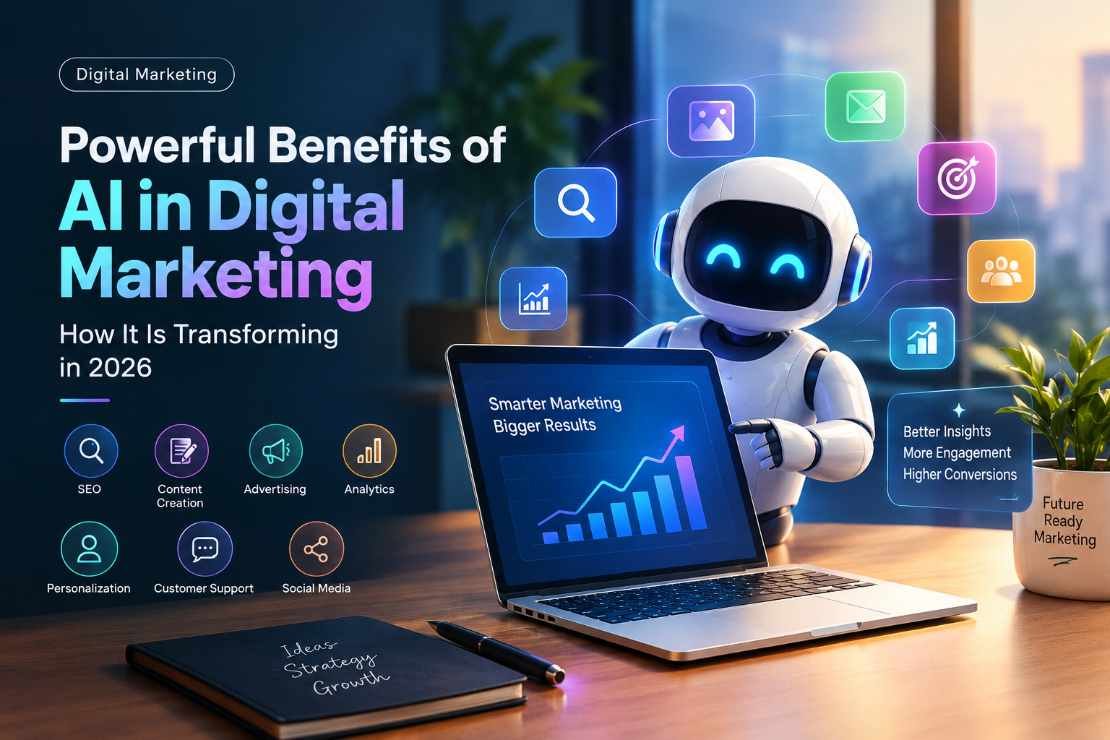
How AI Is Changing Digital Marketing Careers
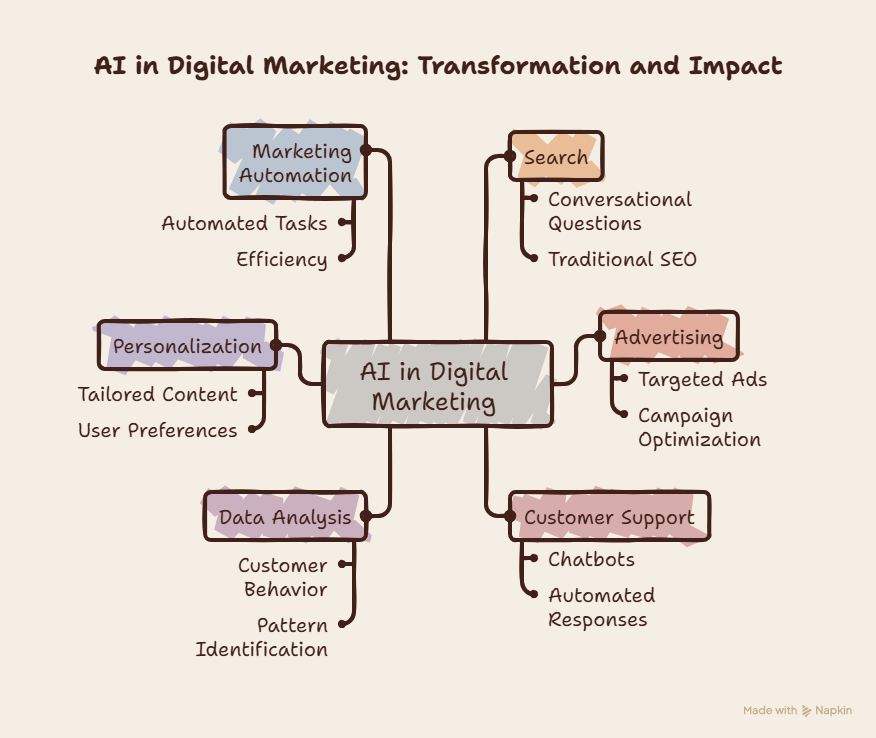
Artificial intelligence is influencing how marketing teams research topics, plan campaigns, create content, and analyze data.
AI tools can help with brainstorming, outlining, summarizing information, and generating creative variations. These capabilities may save time when used appropriately.
However, AI-generated content and recommendations still require human review. Information may be inaccurate, generic, outdated, or unsuitable for a particular audience.
People preparing for Digital Marketing Jobs should combine AI-assisted workflows with strong marketing fundamentals.
For example, an SEO professional should understand search intent before preparing an AI-assisted content outline. A social media marketer should understand the audience before generating post ideas. An analyst should verify the underlying data before making recommendations.
The goal is to use AI thoughtfully, not to depend on it without checking the results.
How to Build Long-Term Career Growth
Getting your first opportunity is only the beginning. Long-term progress requires continuous learning and a willingness to take on more responsibility.
Here are practical ways to improve your career prospects:
- Build deeper expertise: Develop strong skills in one area before expanding into others.
- Study campaigns: Examine how businesses communicate with customers and measure performance.
- Improve reporting: Learn to explain what the numbers mean and what action should follow.
- Develop communication: Practise writing reports, presenting ideas, and explaining decisions.
- Stay updated: Follow reliable industry resources and review changes to marketing platforms.
- Document progress: Keep a record of completed projects, new skills, and measurable achievements.
- Learn from feedback: Use constructive criticism to identify areas for improvement.
Career growth is a gradual process. Consistent practice and useful work samples can help you demonstrate your progress to employers and prepare for more advanced Digital Marketing Jobs.
Conclusion
Digital Marketing Jobs offer several career paths for beginners in 2026, including SEO, social media marketing, content writing, performance marketing, email marketing, and analytics.
The right opportunity depends on your interests, current abilities, and willingness to practise. Start by learning the fundamentals, choosing a specialization, building a portfolio, and applying for relevant entry-level positions.
Do not wait until you know every tool or technique. Begin with small projects, learn from your mistakes, and improve your work over time. Practical abilities, clear communication, and continuous learning can help you become more confident and job-ready.
If you want structured guidance while developing practical digital skills, exploring educational resources and training opportunities from Dizital Mantras may help you understand the field and plan your next learning steps.
With consistent effort and realistic expectations, you can prepare for suitable opportunities and work toward a stronger career in digital marketing.